All Categories
Featured
Understanding Market Growth Shifts across the United States
Table of Contents
It typically makes sense to start with the decisions you require to makeoptimization, tactical, operational, or strategic and work backwards from the choice to decide which metrics will give you the details you need to make that choice. These are the little, continuous choices your marketing team needs to make about the very best method to get the most out of each of your marketing tactics.
: The typical time spent by visitors on a particular websites: The portion of users who click a specific link compared to the variety of total users who see a page, email, or ad: The outcomes of A/B tests to inspect the impact of modifications to your marketing tactics: The ratio of the net revenue created from your marketing efforts, when compared to the expense of those efforts, used to optimize budget allocation These assist you enhance the performance of individual channels and campaigns.
For instance, what affects the unexpected drop in trials? Typical functional KPIs are:: Number of leads that meet the required requirements to be passed on to Sales: Leads that the sales group classes as a match for your perfect client profile: How often your website is discovered throughout online searches They set the long-term direction of your marketing technique, choosing aspects like the marketing mix, spending plan allotment, positioning, and messaging.
We advise the Who, Why, What framework: Who are individuals who are going to utilize your report to make a choice? The basic audience for your report should determine the content of the report Why are you developing this report? What choice are you making? What data will you need? Which brings us to the next action Lots of marketing groups find it difficult to report on their data since it's sitting in fragmented siloesthe e-mail data remains in the email platform, the web data in the web analytics tool, and so on.
If you desire to produce helpful reports, you'll need a way of collecting and integrating your marketing data You can use it to appear insights and draw conclusions. For tactical and optimization decisions that don't require a lot of information, you can incorporate data directly into a spreadsheet tool or a data visualization tool.
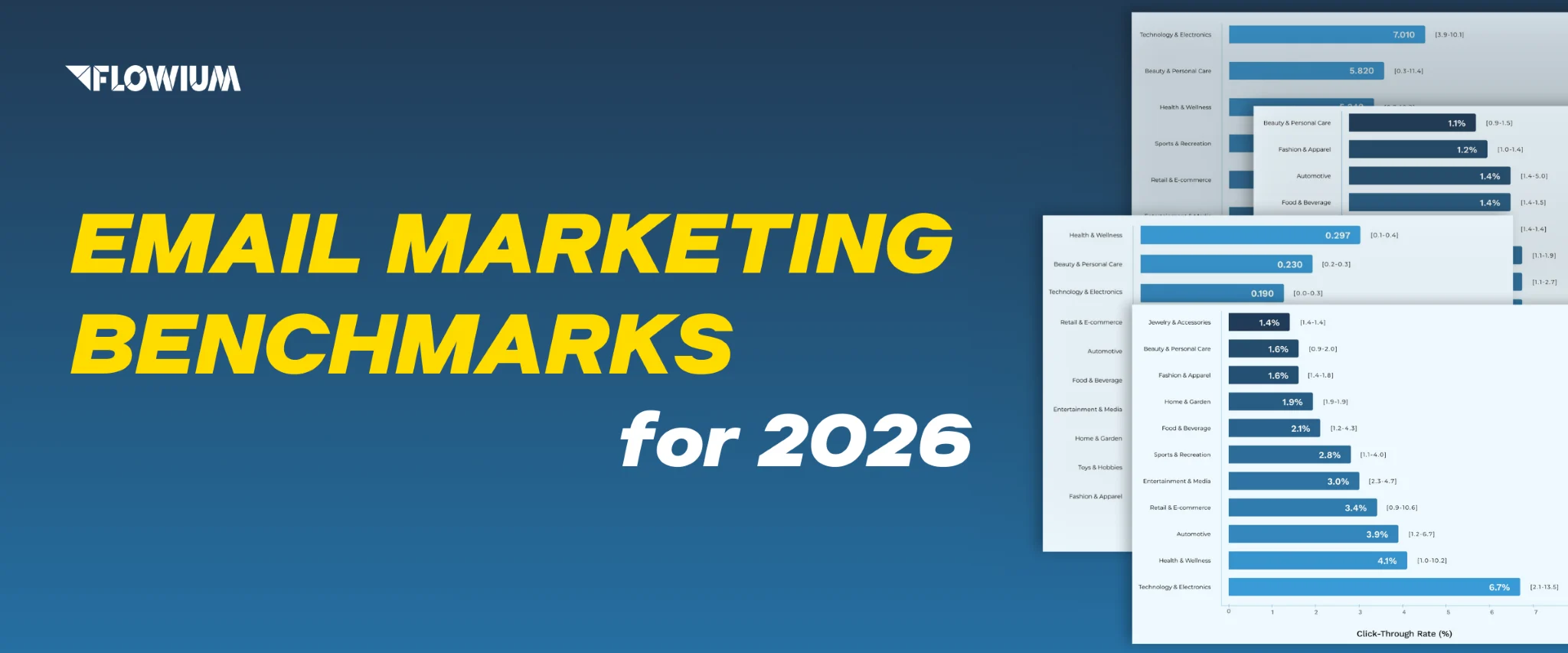
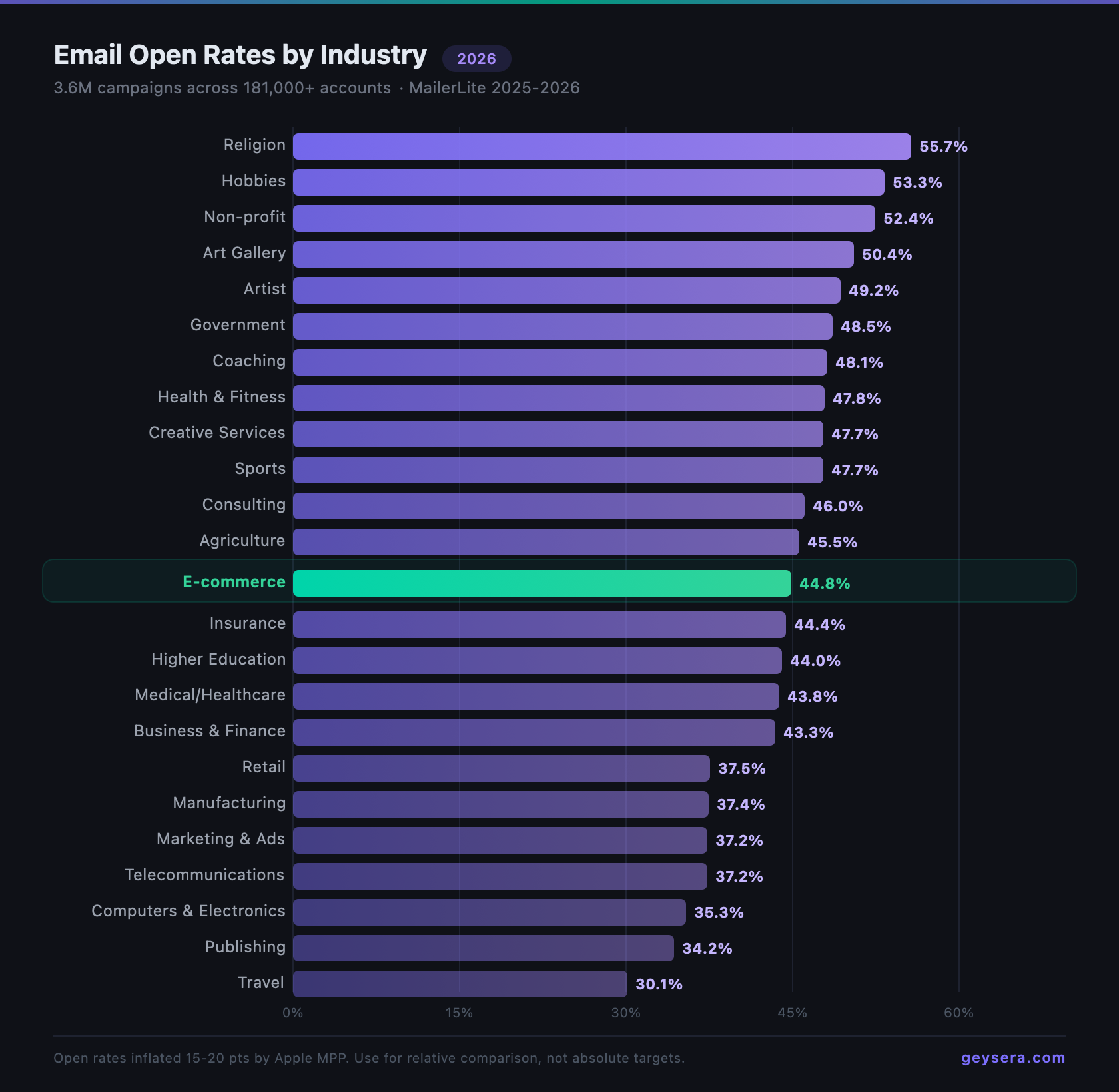
Comparing Sector Performance Standards in the US
A word of care: it's extremely crucial that your information is precise and constant.
[target1:anchor_exact1]If you're calling the project Campaign_1 in one tool and Campaign_Q1_2024 in another tool, then you're going to wind up with confused, untidy data.: Implement standardized project naming. A great campaign name ought to show the objective, period, and target market. The most crucial thing is that you use the exact same campaign name everywhere.
If your reports don't help you make decisions, they're truly simply a collection of numbers. To be helpful, marketing reports need to provide insights and recommendations for the next actions. One design we advise for creating actionable reports is the report-action flywheel: reporting analysis conclusion hypothesis action reporting. You produce a report and after that analyze your outcomes.
Strategic Marketing Reports for Future Market Growth
You report on the results of the modification. Your new report will let you make a decision about whether or not your new keywords are the best ones for your Pay per click project.

Ensure you consist of a basic introduction showing the total image, then drill down into more granular details Data visualization makes it much easier to reach decisions by changing a bunch of numbers into an engaging story that's basic to comprehend. Here are some fast pointers on how to utilize information visualizations to make your reports more actionable: Select the right chart for the data Include some information so the audience can see what they're taking a look at.
[target1:anchor_exact1]There are numerous marketing reports, and you'll most likely desire to share more than one throughout any marketing reporting conference. Here are simply a few examples of the various types of reports that you could consider.

Latest Posts

Strategies to Scale Your Firm in 2026
Implementing Sector-Specific Solutions for Maximum Performance
Essential Steps of an Agency Scaling Blueprint